
Linen Fitted Sheets: Complete Guide to Fit, Feel, and Care for Best Bedding Comfort
By Belinda Gallo, IN THE SAC
Linen fitted sheets have become increasingly popular for their unique properties that enhance both comfort and durability in bedding. This guide provides an extensive look at the fit, feel, and care of linen fitted sheets—essential knowledge for anyone looking to elevate their sleeping experience. You'll learn how to accurately measure your mattress for the best fit, the distinct benefits of linen compared to other materials such as cotton, and the best practices for maintaining your linen sheets over time. Understanding these aspects will ensure you choose the right bedding that suits your personal preferences and enhances your quality of sleep.
The long-standing historical appreciation for linen underscores why it remains a preferred material for those seeking durable and high-quality bedding.
The Historical Appeal and Durability of Linen for Bedding
fabrics were the most popular raw material for clothes and bedding in Poland, mainly because the entire process of obtaining the raw material, from sowing seeds to the finished canvas, Pro-environmental and health-promoting grounds for restitution of flax (Linum usitatissimum L.) cultivation, A Kiryluk, 2020
In the following sections, we will focus on several key areas: the fit of linen fitted sheets, the comfortable feel they provide, various care practices to extend their longevity, and the advantages of linen over cotton sheets.
Fit
Accurate sizing of linen fitted sheets is crucial for achieving a snug, comfortable fit on your mattress, preventing slipping and discomfort throughout the night. Several factors influence the fit, including mattress size, pocket depth, and types of elastic used in the sheets.
Accurate Mattress Sizing
To ensure that your linen fitted sheets fit perfectly, measuring your mattress accurately is essential. Follow these steps:
Measure the Length and Width: For standard Australian sizes, the measurements typically are:
Consider the Depth: Don’t forget to measure the thickness of your mattress as well.
Correct measurements will guide you in selecting the right fitted sheets that won't bunch or come loose during use.
Ideal Pocket Depth
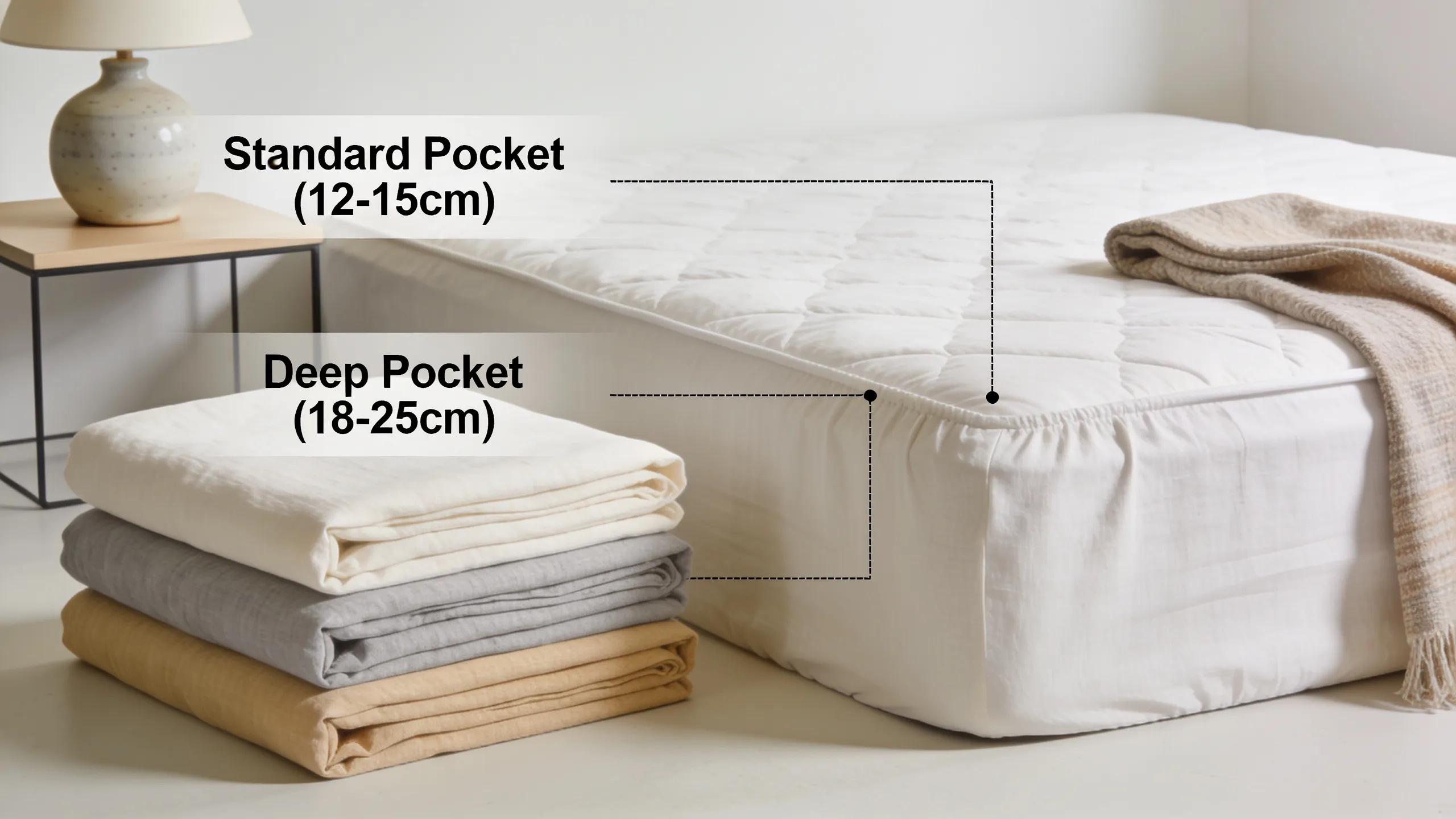
The depth of your mattress significantly influences the type of fitted sheet required. Standard mattresses typically range from 25 to 30 cm in depth, making these measurements important when shopping for sheets. For those with thicker mattresses, investing in deep pocket linen sheets, designed to accommodate depths of 30-40 cm, is essential. Selecting the right pocket depth ensures better coverage and a tighter fit on your bed.
Elastic Types
Different types of elastic can impact how well your fitted sheets stay in place. Opting for heavy-duty elastic can provide a secure grip for deeper mattresses or those with mattress toppers. Fully fitted corners also enhance stability, preventing the sheets from shifting during the night. Using sheets with reliable elastic secures your linen in place for uninterrupted sleep.
Feel
Linen fitted sheets are renowned for their soft texture and breathability, qualities that significantly improve the overall sleep experience. Unlike cotton, linen becomes softer with each wash while providing a cooling effect due to its moisture-wicking abilities.
The unique weave of linen allows air to circulate freely, which can be advantageous for maintaining a comfortable sleeping temperature. Additionally, the fibres in linen possess natural hypoallergenic properties, making it suitable for those sensitive to allergens or skin irritants. The luxurious feel of linen bedding not only elevates the comfort of your sleep environment but also adds a touch of elegance to your bedroom decor.
Care Practices
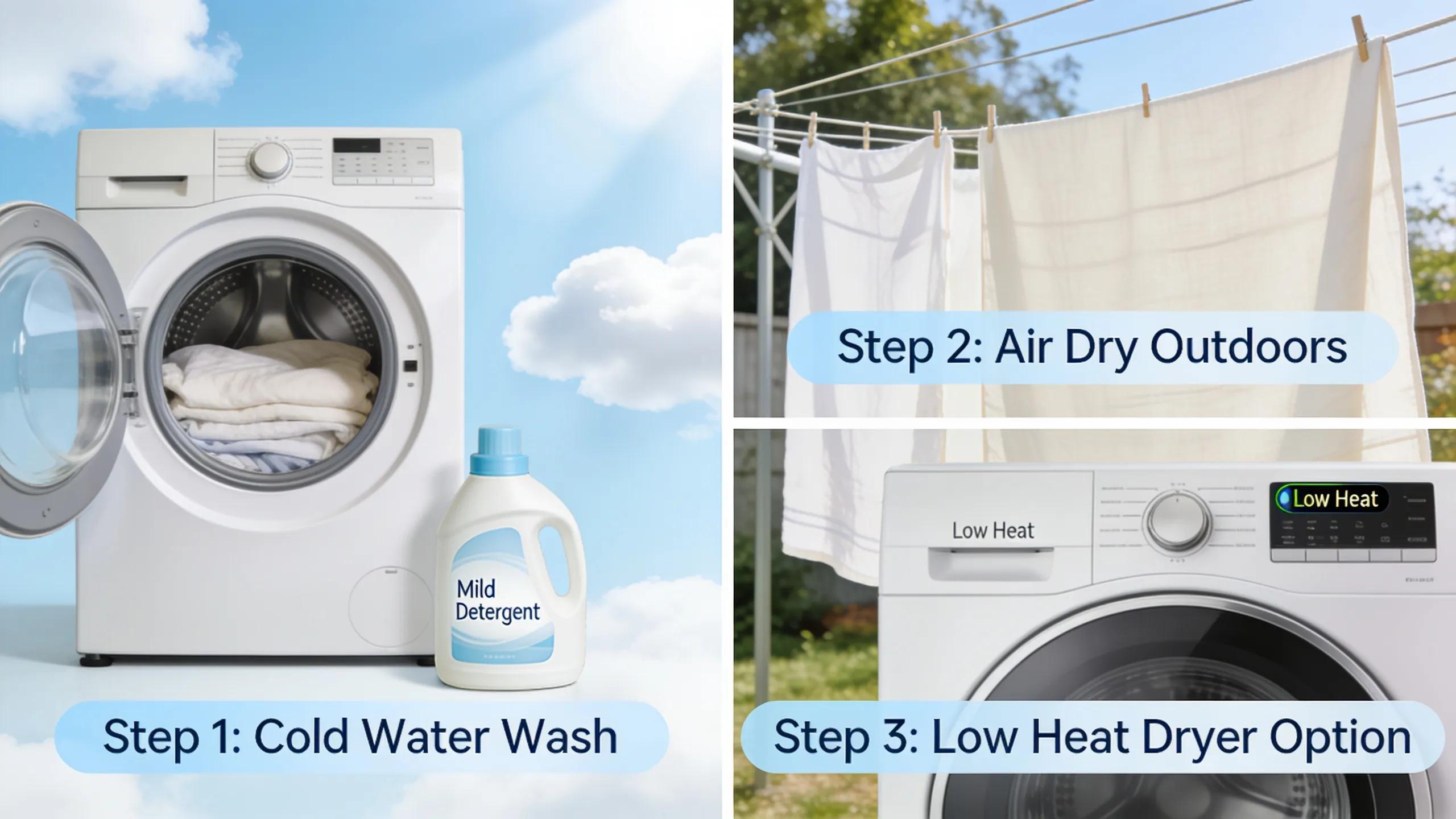
Proper care of your linen fitted sheets can dramatically extend their lifespan and preserve their beauty and functionality. Several best practices should be implemented for washing, drying, and storing linen sheets effectively.
Washing
When it comes to washing linen fitted sheets, follow these recommendations:
Use Mild Detergent: Opt for a gentle, natural detergent to maintain the integrity of the fabric.
Cold Water Cycle: Wash in cold water to prevent shrinking and fading, ideally using a delicate cycle.
Avoid Bleach and Fabric Softeners: These substances can degrade the fibres and diminish the fabric’s natural qualities.
Drying
For optimal care of linen sheets, consider the following drying methods:
Air Drying: Whenever possible, hang linens outside to air dry. This method prevents shrinkage and maintains fabric freshness.
Low Heat Machine Drying: If using a dryer, select a low heat setting to avoid excessive heat that can lead to shrinkage.
Storage
Storing your linen fitted sheets correctly is essential to prevent damage. Follow these best practices:
Keep in a Cool, Dry Place: Ensure your sheets are stored in a well-well-ventilated area to avoid mildew or musty odours.
Use Breathable Storage Bags: Linen can benefit from breathable bags to prevent dust accumulation without retaining moisture.
Benefits of Linen Compared to Cotton Sheets
Linen sheets offer several advantages over cotton sheets. For starters, linen is far more durable than cotton, often lasting several years longer with proper care. Moreover, its natural breathability allows for a more comfortable sleep, particularly in warmer conditions. Linen's moisture-wicking properties make it an excellent choice for those who tend to sweat during the night, keeping you cooler and drier than traditional cotton sheets.
Additionally, linen sheets are less prone to wrinkling, creating a relaxed, lived-in aesthetic that many find appealing. This combination of comfort, longevity, and practical advantages contributes to the overall appeal of investing in high-quality linen fitted sheets.
How Do Linen Fitted Sheets Fit Different Mattress Sizes Including Deep Pockets?
Linen fitted sheets come in a variety of sizes tailored to fit different mattresses, including those with deep pockets. The versatility of linen fabrics affords adaptability across various thicknesses, ensuring that every sleeper can find an option that effectively accommodates their bedding needs.
It's important to select sizes based not only on standard dimensions but also on individual mattress preferences. For example, heavier weights and materials may require deeper pockets to maintain coverage without sagging.
What Pocket Depths Are Best for Linen Fitted Sheets on Thick Mattresses?
Choosing the best pocket depth largely depends on the thickness of your mattress. For standard mattresses, a depth of 25 to 30 cm is typically sufficient. However, for thicker mattresses—especially those around or exceeding 30 cm in depth—deep pocket linen sheets of 30-40 cm are recommended to ensure a proper fit.
This selection guarantees the sheets maintain consistent tension and security throughout the night, enhancing overall sleep quality.
How to Measure Your Mattress for Proper Linen Fitted Sheet Fit?
To ensure the perfect fit of linen fitted sheets, measuring your mattress properly is essential. Start by assessing the length and width, which correspond to standard sizes in the market. After that, determine the depth, accounting for any mattress toppers that add extra thickness. These measurements guide you in selecting sheets that provide a snug fit, reducing the likelihood of bunching or crawling during use.
Properly fitted sheets not only enhance comfort but also contribute to a stylish and polished bed appearance, making accurate measurement a worthy investment in your bedding collection.
What Are the Key Benefits and Feel of Linen Fabric Compared to Cotton Sheets?
Linen fabric offers unique benefits that differentiate it from cotton. The comfort factor originates from its natural fibre structure, which inherently promotes breathability and moisture absorption. In addition, linen's durability ensures it withstands wear and tear, making it an excellent investment for long-term use. While cotton may feel soft initially, linen becomes softer over time with regular washes, enhancing its appeal for luxury bedding.
The distinctive texture of linen offers a crisp yet cozy feel, creating an inviting atmosphere conducive to restful nights.
How Does Linen’s Breathability and Hypoallergenic Properties Improve Sleep Comfort?
The breathability of linen fabric effectively regulates body temperature during sleep, allowing excess heat and moisture to escape. This property is particularly beneficial for individuals who frequently experience night sweats or fluctuating body temperatures. Furthermore, linen's hypoallergenic nature serves as a natural barrier against allergens and irritants, promoting a healthier sleep environment.
By combining breathability with hypoallergenic qualities, linen contributes significantly to overall sleep comfort.
Why Choose Linen Bedding Over Cotton: Texture, Durability, and Environmental Impact?
Opting for linen bedding over cotton is a choice rooted in texture, durability, and sustainability. The texture of linen provides a unique tactile sensation that is unlike any other fabric. As for durability, linen outlasts cotton, offering long-term value. Environmentally, linen production demands less water and pesticide use compared to cotton, emphasising a more sustainable choice for responsible consumers.
This layered approach to benefits highlights why so many are choosing linen as their fabric of choice for bedding and beyond.
How Should You Care for Linen Fitted Sheets to Maintain Quality and Longevity?
Maintaining the quality and longevity of linen fitted sheets requires specific care practices. It’s critical to wash them using mild, natural detergents, preferably in cold water. Following proper drying techniques, such as air drying or using low heat, further enhances their lifespan. By storing linen sheets in a cool, dry place, you can protect them from potential damage and ensure they remain fresh for longer.
Consistent care maintains their quality and appearance, allowing you to enjoy linen’s benefits for years to come.
What Are the Best Practices for Washing and Drying Linen Sheets?
To maximise the lifespan of linen sheets, emphasise the importance of washing and drying practices:
Frequency: Aim to wash your sheets every two weeks to maintain hygiene and freshness.
Washing Tips: Use a gentle cycle with cold water, and avoid bleach to protect the fabric.
Drying Tips: Prefer air drying when possible, but if using a dryer, select a low heat setting to minimise shrinkage.
By adhering to these practices, you can enjoy your linen sheets with optimal comfort and durability.
How to Prevent Shrinkage and Preserve Linen Fabric Durability?
Preventing shrinkage involves careful handling during washing and drying. Utilize gentle washing cycles with cold water and opt for air drying whenever feasible. If using a dryer, always select the lowest heat setting to safeguard the fibres. Additionally, avoiding harsh detergents or bleach can help maintain the integrity of your linen over time.
These simple yet effective strategies will ensure your linen remains in excellent condition, free from unwanted shrinkage and wear.
Why Is Sustainability Important When Choosing Linen Fitted Sheets?
Sustainability plays a critical role in choosing linen fitted sheets, as linen production is generally more environmentally friendly than other fabrics such as cotton. Linen is sourced from the flax plant, which requires significantly less water and pesticides, leading to a reduced environmental footprint. By selecting linen, you're not only investing in high-quality bedding but also contributing to better environmental practices.
Making this choice supports sustainable farming and promotes the use of natural materials in everyday life.
What Sustainable Certifications Should You Look for in Linen Bedding?
When shopping for sustainable linen bedding, consumers should look for certifications such as GOTS (Global Organic Textile Standard), OEKO-TEX, and EU Ecolabel. These certifications ensure that the linen meets rigorous environmental and social standards throughout the production process. Being informed about these certifications can guide eco-conscious choices and promote sustainable shopping habits.
Selecting linen bedding with recognised certifications ensures you contribute to responsible environmental practices.
How Does Linen Bedding Reduce Environmental Impact Compared to Synthetic Alternatives?
Linen bedding significantly reduces environmental impact compared to synthetic alternatives. The cultivation of flax plants, used to produce linen, requires fewer resources than polyester and other synthetic fibres, which often rely on fossil fuels. Additionally, linen is fully biodegradable, making it a sustainable choice for consumers.
By choosing linen over synthetic options, you support farming practices that are less damaging to the environment, enhancing the overall benefits of your bedding choices.