
By Belinda Gallo, IN THE SAC
Linen sheets offer remarkable comfort and durability, making them a popular choice in Australian households. Proper care can significantly extend their lifespan, ensuring you enjoy their benefits for years to come. This article introduces a quick and efficient 5-minute daily care routine that not only maintains optimal hygiene but also enhances the longevity of your "linen sheets". As Australians face unique climate challenges, implementing this routine will help protect your investment. We will explore essential washing methods, drying techniques, and the effects of humidity, providing a comprehensive guide to keeping your linen sheets in top condition.
Understanding why linen is such a highly regarded textile helps explain why its unique properties make it ideal for the Australian climate.
Why Linen Sheets Are the Ultimate Choice for Australian Comfort
linen fabric in the summer naturally makes people cool and comfortable, not sticky, or stuffy, earning flax fibre the nickname “breathing fibre”, and “fibre queen”. Advances in Flax (Linum usitatissimum L.) Breeding and Biotechnology Strategies, 2025
What Is the Quick 5-Minute Daily Care Routine for Linen Sheets?
A simple yet effective daily care routine for linen sheets can help maintain their quality and extend their lifespan. This routine involves basic maintenance steps that focus on cleanliness and fabric care. By dedicating just five minutes each day, you can ensure that your linen sheets remain fresh and comfortable.
Which Simple Steps Extend Linen Sheets’ Lifespan?
To extend the lifespan of your linen sheets, follow these straightforward steps:
Regular Washing: Wash your linen sheets every two weeks to remove body oils and allergens. This practice helps in preventing the buildup of dirt and requires less intense cleaning.
Air Drying: When possible, air dry your sheets instead of tumble drying. Air drying is gentler on linen fabric and helps maintain its natural texture.
Proper Storage: Store your linen sheets in a cool, dry place to prevent dampness and mold growth. Folding them neatly avoids unnecessary creases and maintains their visual appeal.
Implementing these practices ensures your "linen sheets" stay clean and soft, enhancing your sleeping experience.
How Does This Routine Suit Australian Climate Conditions?
Australia's diverse climate can impact how we care for linen sheets. The routine is designed to accommodate these conditions, particularly with respect to heat and humidity. In warmer months, linen can dry quickly, while in the cooler months, extended drying times may be necessary. Adaptation ensures optimal care throughout the year.
How Should You Wash Linen Sheets in Australia for Maximum Durability?
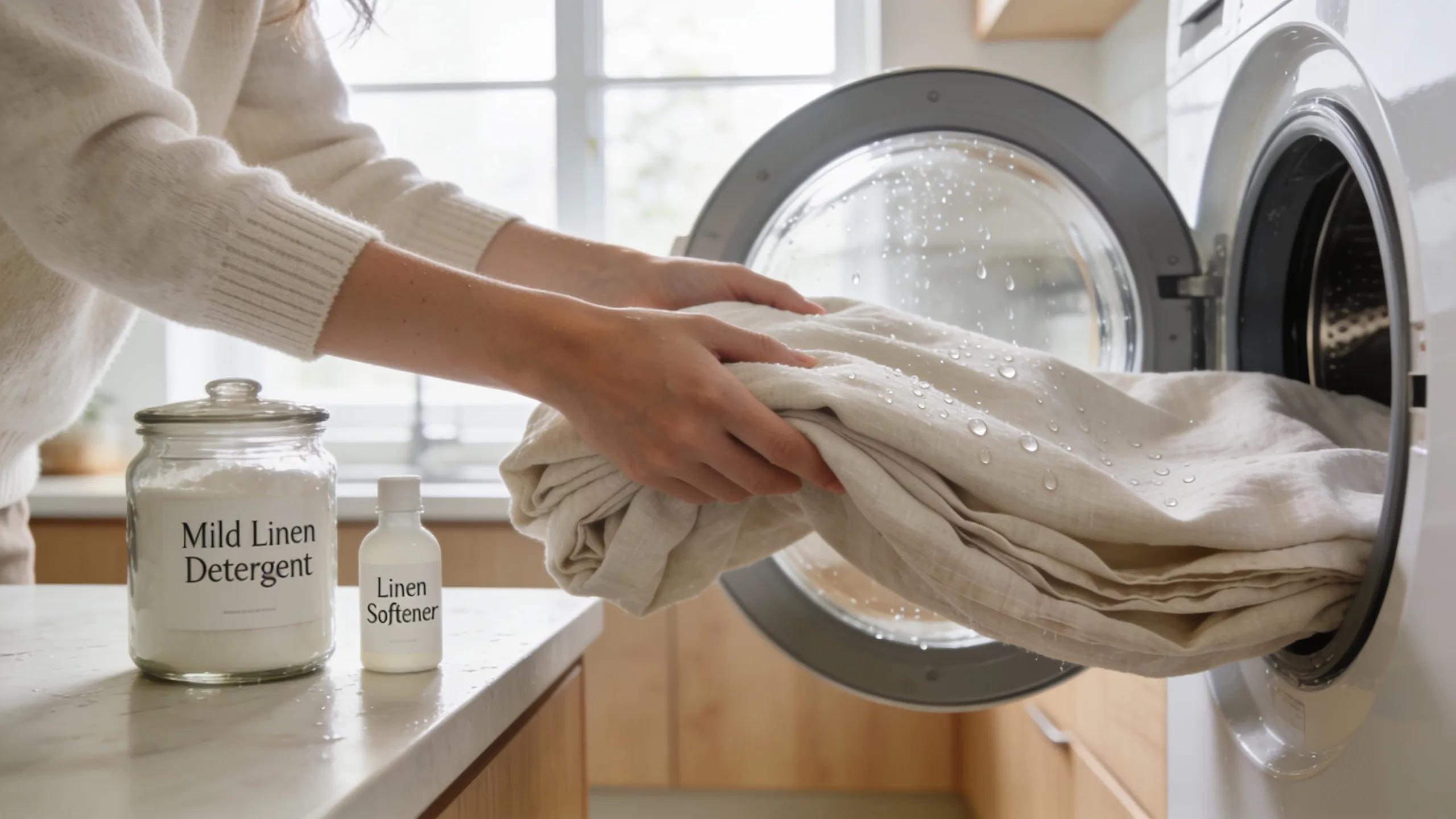
Washing your linen sheets correctly is essential for preserving their quality and ensuring long-lasting use. For those looking to upgrade their collection, exploring high-quality "linen bedding" options can provide a foundation for better durability. Following recommended practices specific to the Australian environment will yield the best results.
What Is the Best Detergent for Linen Sheets?
For washing linen sheets, it’s advisable to use mild, natural detergents free from harsh chemicals. These gentler options help maintain the integrity of the fabric and prevent damage. Always follow the manufacturer's recommendations for best practices.
What Are Recommended Washing Temperatures and Practices?
Linen sheets should ideally be washed in cold to warm water (30°C to 60°C). This temperature range is effective in removing stains while preserving the fibres’ natural qualities. Use a gentle cycle to minimise stress on the fabric, extending its lifespan.
Research indicates that adjusting your laundry temperature can have a measurable impact on the long-term preservation of your textile fibres.
Extend Your Linen Sheet Lifespan With These Laundry Best Practices
In further tests with similar soiled consumer wash loads, moving to colder and quicker washing cycles (i.e. 15°C for 30 mins, as opposed to 40°C for 85 mins) significantly reduced microfiber generation by 30% (p = 0.036)
Microfiber release from real soiled consumer laundry and the impact of fabric care products and washing conditions, NJ Lant, 2020
What Are the Best Drying and Ironing Techniques for Linen Fabric Maintenance?
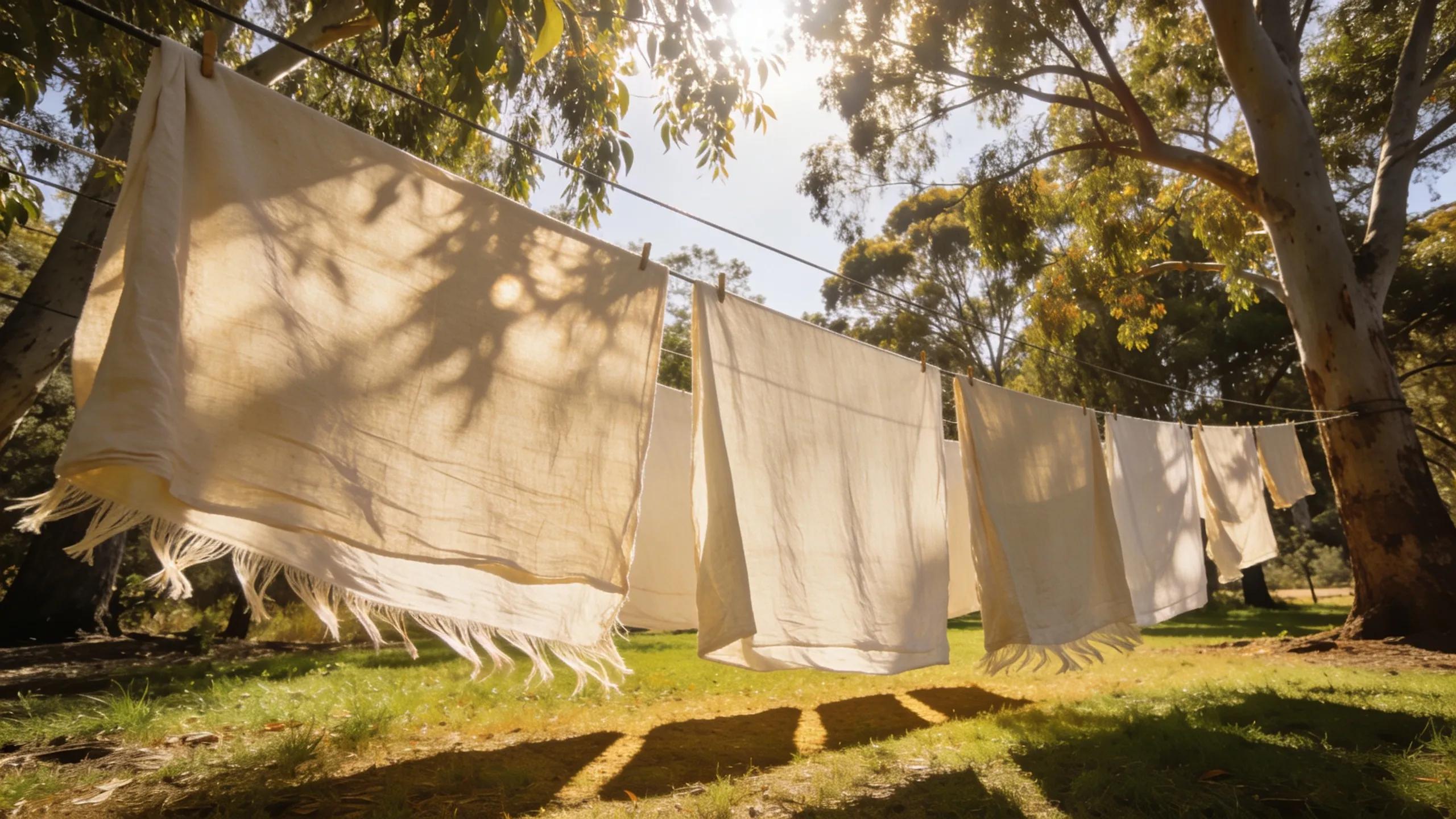
Maintaining linen requires knowledge of effective drying and ironing practices:
Air Drying: The best method to preserve linen is air drying. Hang sheets on a clothesline or lay them flat, avoiding direct sunlight exposure to prevent discoloration.
Ironing Techniques: If ironing is necessary, use a medium heat setting while the fabric is still slightly damp. This technique helps in smoothing out wrinkles without damaging the fibres.
Can Linen Sheets Be Tumble Dried Safely in Australia?
While tumble drying is an option, it can lead to fabric wear over time. If you choose to tumble dry, use a low heat setting to minimise damage, and remove the sheets while they are still slightly damp to prevent excessive shrinkage.
How Does Proper Ironing Improve Linen Sheet Softness and Lifespan?
Ironing linen sheets not only improves their appearance but also helps soften the fabric. The heat facilitates relaxation of the fibres, allowing them to regain their original smoothness, which adds to the comfort and prolongs their lifespan.
How Does Australian Climate Affect Linen Sheet Durability and Care?
Understanding the impact of the Australian climate on linen care is crucial for optimal sheet maintenance. The varying temperatures and humidity levels significantly influence how we should treat our linen products.
What Impact Does Humidity Have on Linen Fibre Drying Time?
Humidity can dramatically extend the drying time of linen fibres. In regions with high humidity, it is essential to allow extra drying time and consider indoor drying to prevent damp spots, which could lead to mold.
How Should Care Routines Adapt to Seasonal Changes in Australia?
Adapt your care routines based on seasonal changes. In summer, a more frequent washing schedule may be necessary due to sweat and increased allergens, while in winter, consider storing sheets in a dry, cool place to minimise moisture exposure. Adjusting washing temperatures and drying methods seasonally will help maintain optimal linen condition.